Answers From The Local Septic Pro's
Frequently Asked Septic Questions
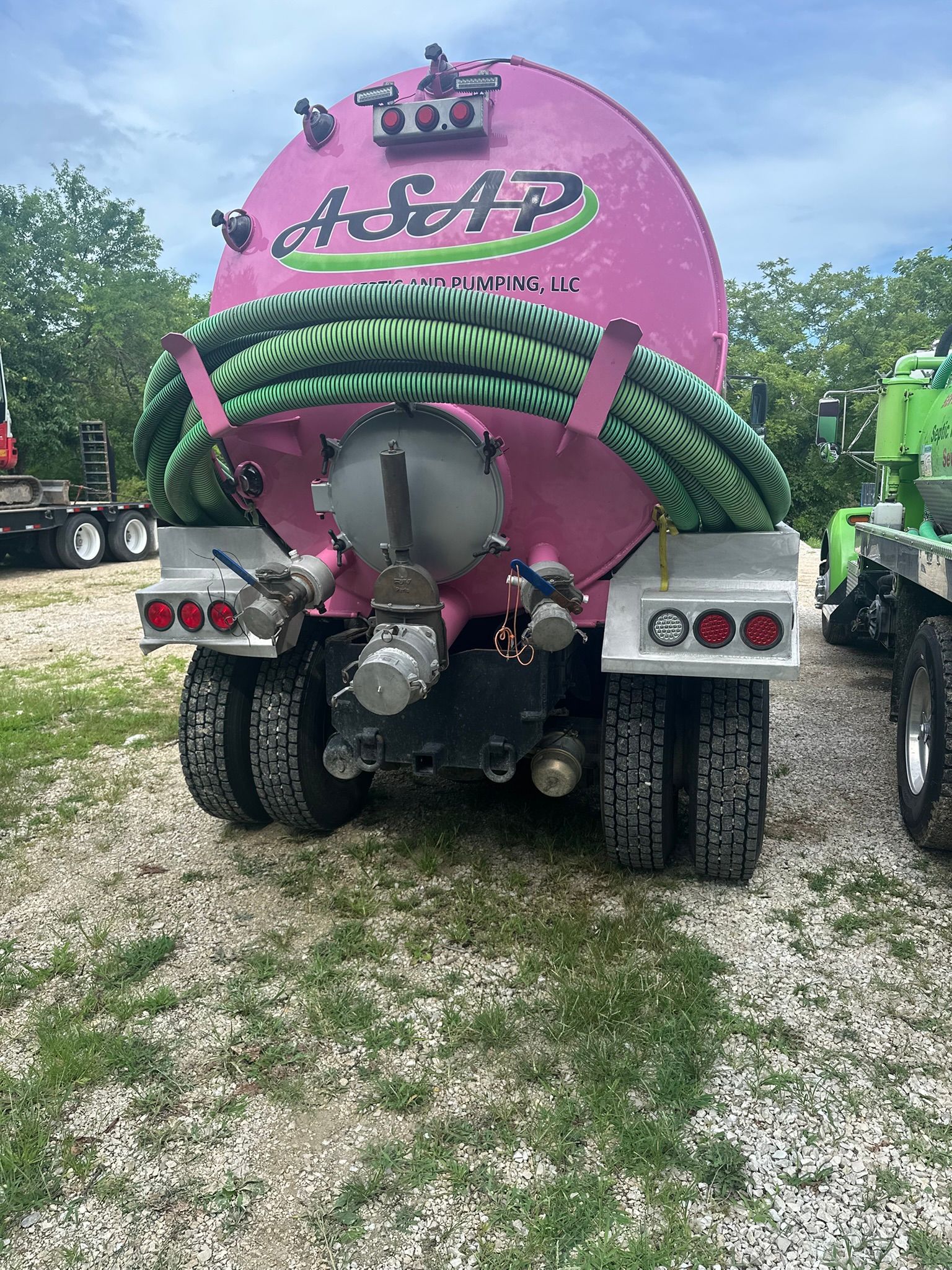
Maintenance & Pumping
How often should I have my septic tank pumped?
Most households need septic tank pumping every three to five years, but the right interval depends on tank size, household size, and water usage. A 1,000-gallon tank serving a family of four typically falls in the three-year range, while a larger tank or smaller household can stretch closer to five. Garbage disposal use, frequent laundry, and flushing non-septic-safe items all shorten that interval. We can recommend a schedule that fits your specific situation when we pump your tank.
What is the difference between septic pumping and septic cleaning?
They're technically two different services. Septic pumping removes the liquid effluent and floating scum from the tank, while septic cleaning goes further — fully removing the heavier sludge at the bottom that pumping alone leaves behind. Most companies charge separately for the two, or only do one. At Advanced Septic & Pumping, we treat them as a single service: every pump job includes a complete tank cleaning at no extra cost. Leaving sludge in the tank just means it fills up faster and you're paying for another visit sooner — so we do the full job every time.
How can I tell if my septic tank is full and needs emptying?
Common warning signs include slow drains throughout the house, gurgling sounds in pipes and fixtures, foul odors near the tank or drainfield, unusually lush green grass over the drainfield, soggy or pooling water in the yard, and — in advanced cases — sewage backups in lower-level drains or toilets. If multiple drains slow down at the same time, that's almost always a septic issue rather than a single clogged line. The most reliable way to know is to have your tank checked and the sludge level measured during a service visit.
Do you offer emergency septic pumping services?
YES — we know septic problems don't wait, and we respond as quickly as possible when something goes wrong. Call our office at (573) 636-2727 and we'll get you on the schedule for the fastest available service in your area. For active backups or overflows, mention that when you call so we can prioritize your job and route the nearest available crew.
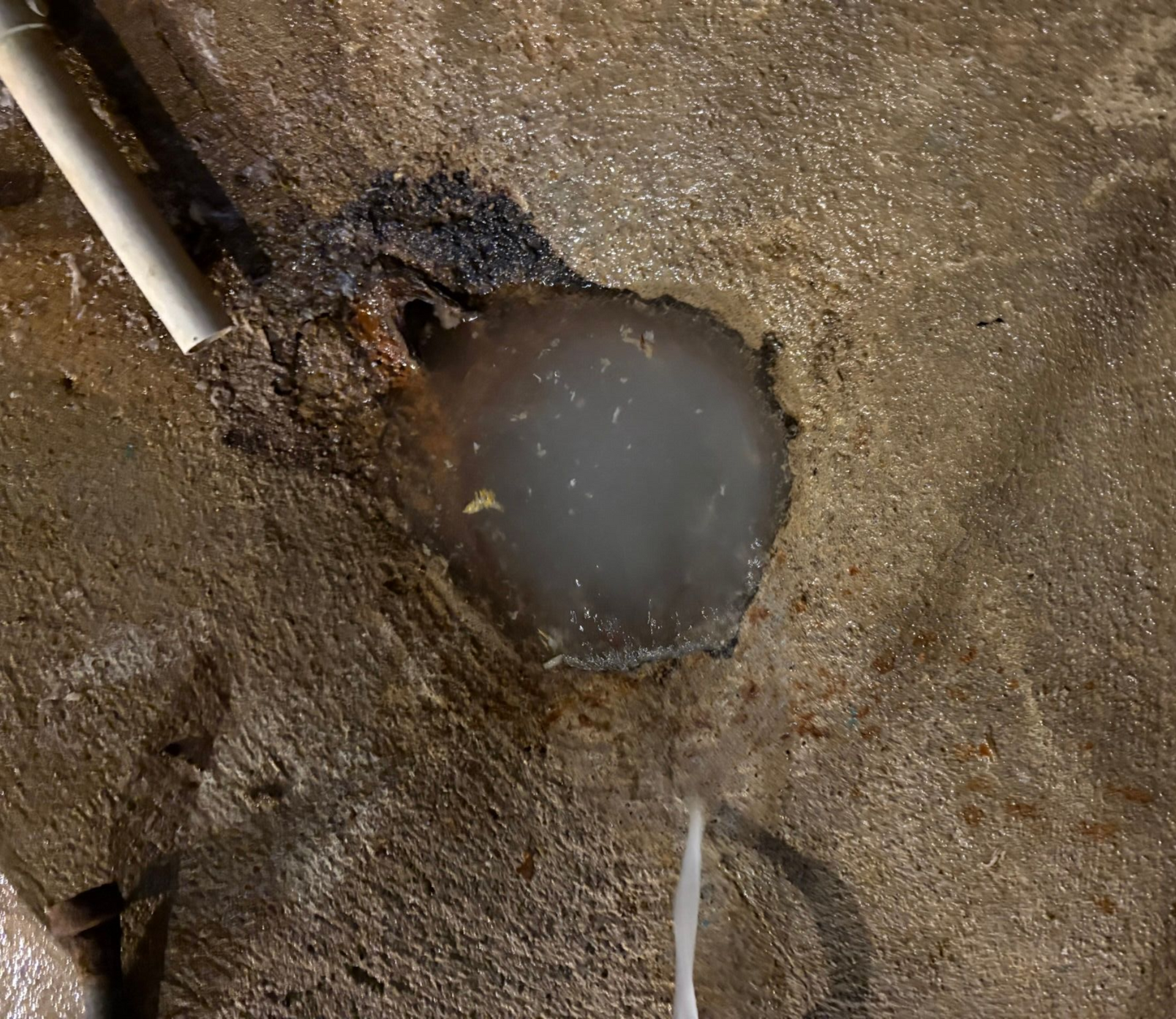
Repairs & Troubleshooting
What are the warning signs that my septic system needs repair?
Most septic problems show up as something you can see, smell, or hear: slow or backed-up drains, sewage odors inside or outside the home, gurgling in plumbing, wet spots or unusually green grass over the drainfield, alarms on aerator or pump systems, and visible damage to tank lids or risers. Catching these signs early usually means the difference between a targeted repair and a full system replacement, so it's worth getting a professional out as soon as you notice something off.
My drains are clogged. Is it a plumbing issue or a septic issue?
A useful first test: if only one drain is affected (one sink, one toilet), it's almost always a plumbing issue with that fixture's line. If multiple drains slow down or back up at once — especially the lowest drains in the house — the problem is in the main line, which usually points to a sewer line clog or a septic system issue. Toilets that gurgle when other fixtures run, or basements that back up when the laundry drains, are classic signs the septic side needs attention.
Can a damaged drainfield (lateral line) be repaired, or does it need to be replaced?
It depends on what's wrong. A drainfield stressed by heavy use, biomat buildup, or temporary flooding can often be revived with a rejuvenation system or an aerobic treatment retrofit — a far more affordable option than full replacement. But a drainfield that's structurally failed, crushed, or saturated to the point that the soil can no longer absorb effluent typically needs to be replaced. We can evaluate your drainfield, run diagnostic tests, and give you an honest answer on whether repair or replacement is the right call.
What does a sewer camera inspection reveal?
A sewer camera shows the inside of your line in real time, letting us identify exactly what's happening: cracks, separations at joints, root intrusion, scale and grease buildup, partial collapses, low spots holding water, and obstructions. It also pinpoints the location of the problem so any repair can be targeted to one section rather than digging up the entire line. Camera inspections are useful for diagnosing recurring clogs, verifying line condition before buying a home, and confirming that a repair was successful.
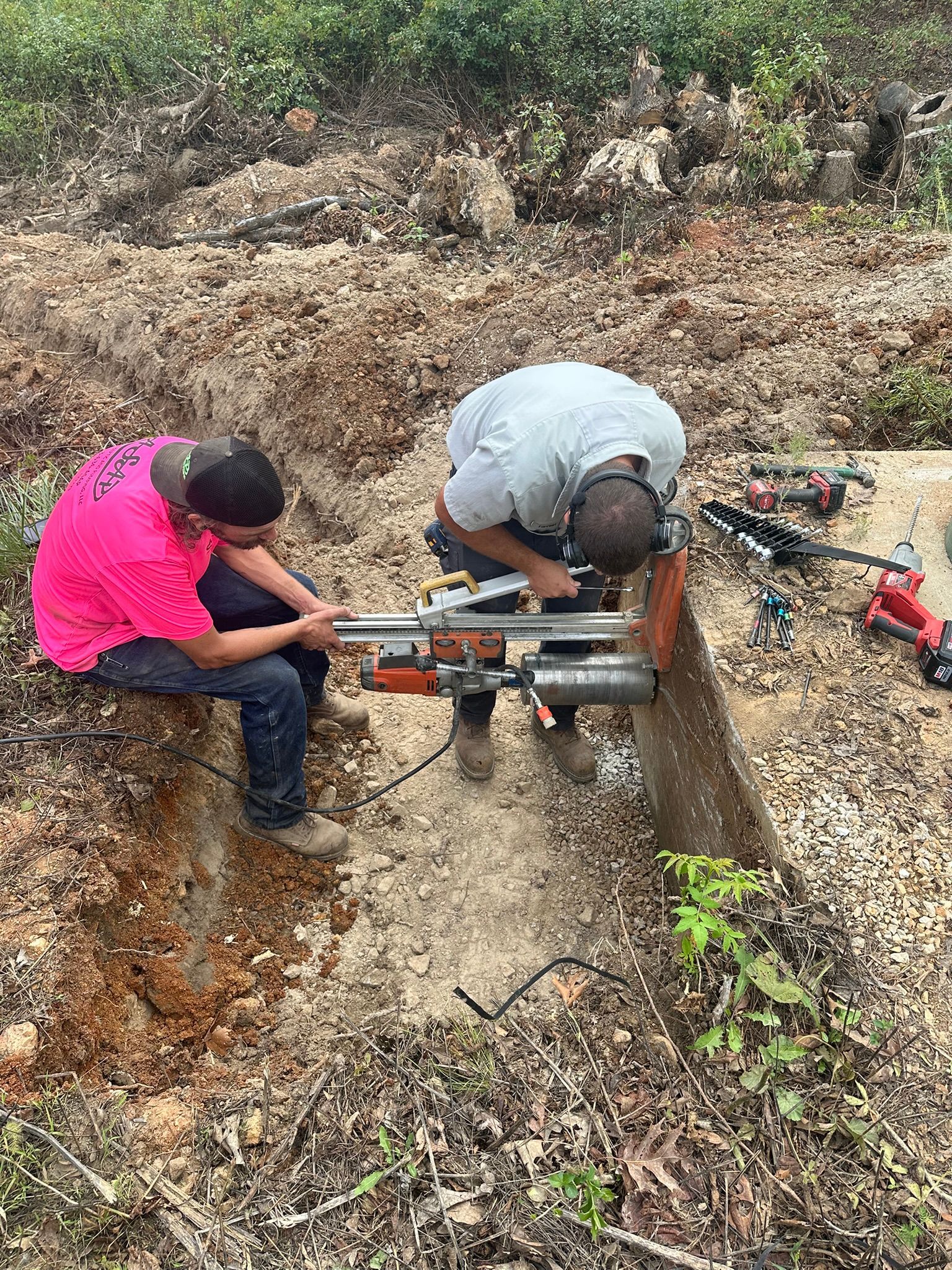
Advanced & Specialized Systems
What is an “Advanced Septic Treatment System” and do I need one?
“Advanced treatment system” — also called an aerobic treatment unit (ATU) — refers to a category of septic system that uses oxygen to break down wastewater far more thoroughly than a conventional tank-and-drainfield setup, producing effluent clean enough for difficult sites where standard systems aren't approved. (Note: this is a type of system, not to be confused with our company name, Advanced Septic & Pumping — we service every major brand of advanced treatment system.) You may need one if your lot is small, your soil percolates poorly, you're near a water source, or your county code requires enhanced treatment.
What is an LPP (Low Pressure Pipe) septic system and how is it maintained?
A Low Pressure Pipe system uses a pump to push effluent at low pressure through a network of small-diameter perforated pipes laid in shallow trenches across the drainfield. This even distribution allows the system to work on sites where a conventional gravity drainfield wouldn't perform well — typically due to shallow soils, slow percolation, or sloped terrain. Maintenance includes regular pumping of the tank and pump chamber, inspection of the pump and float switches, and periodic flushing of the lateral lines to prevent clogging. We service LPP systems throughout Central Missouri and can set you up on a maintenance schedule.
How can I tell if my septic tank is full and needs emptying?
Common warning signs include slow drains throughout the house, gurgling sounds in pipes and fixtures, foul odors near the tank or drainfield, unusually lush green grass over the drainfield, soggy or pooling water in the yard, and — in advanced cases — sewage backups in lower-level drains or toilets. If multiple drains slow down at the same time, that's almost always a septic issue rather than a single clogged line. The most reliable way to know is to have your tank checked and the sludge level measured during a service visit.
Why does my septic system have a lift pump or aerator?
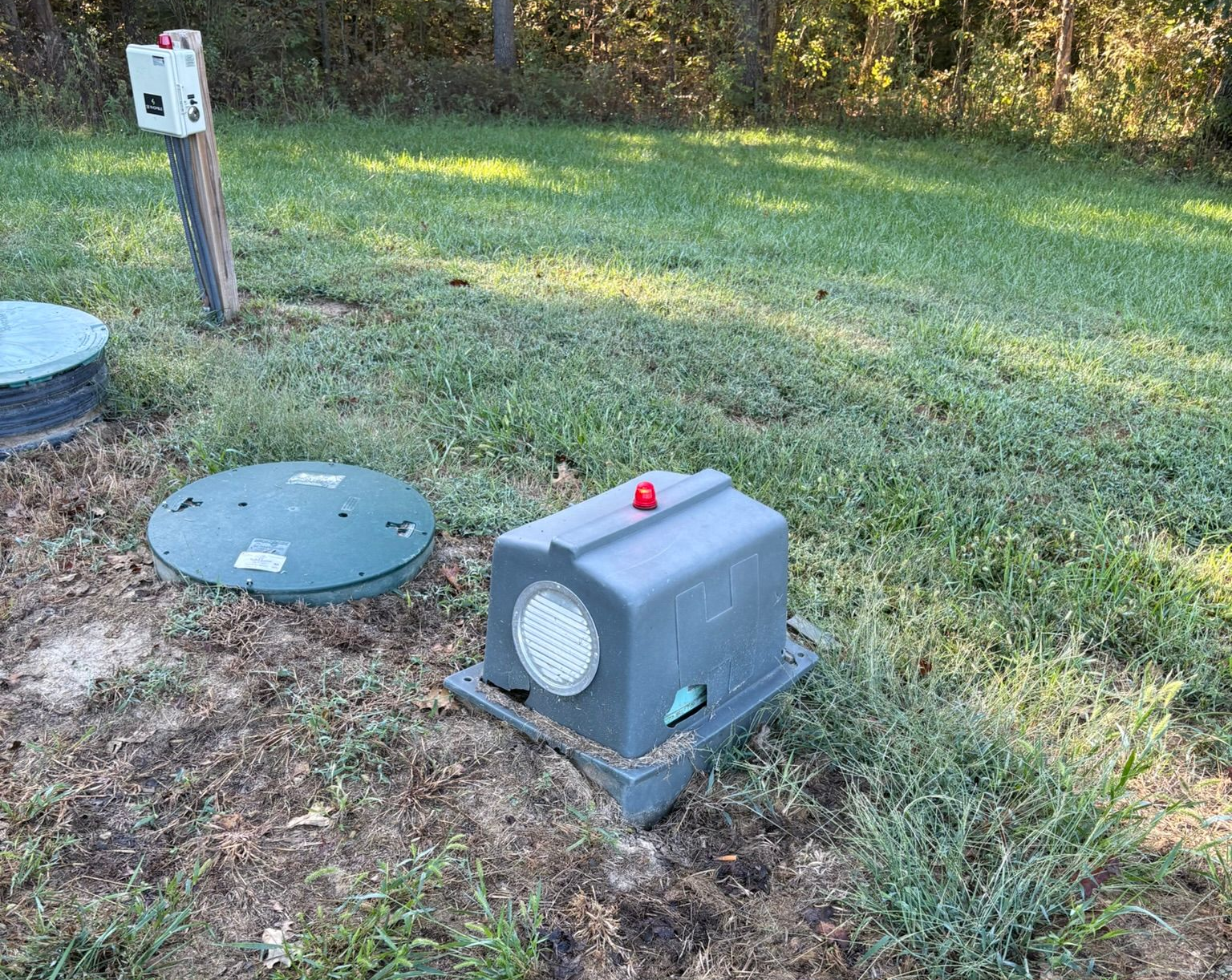
Lift pumps are used when wastewater needs to move uphill — when your drainfield sits at a higher elevation than your tank, or when a building's plumbing runs below the main sewer line. Aerators are part of advanced treatment systems, pumping air into the tank to support bacteria that break down waste more thoroughly than a conventional system can. Both components are common on rural properties, sloped lots, and sites where soil conditions require enhanced treatment, and both need regular service to keep working.
What are the best septic options for small lots or difficult soil?
When a standard conventional system won't fit or won't perform, alternatives include aerobic treatment units (ATUs), low pressure pipe (LPP) systems, mound systems, drip distribution systems, and holding tanks. Each has trade-offs in cost, maintenance, and site requirements — the right choice depends on your soil percolation rate, available space, local code, and how the property will be used. A soil test and site evaluation is the starting point for figuring out which option works, and we handle both as part of our installation process.
Installation & Replacement
How long does a typical septic system installation take?
The on-site installation itself usually takes one to three days for a standard residential system, depending on weather and site conditions. The full process from start to finish takes longer because soil testing, system design, permitting, and inspections all happen before installation begins — plan on a few weeks to a couple of months from first call to final approval, depending on county turnaround times. We handle the coordination on all of it so you're not chasing multiple parties.
Do you handle septic system design and engineering for new builds?
Yes — we coordinate everything required for a new septic system installation, including soil testing, system design, engineered drawings where code requires them, permitting, and the install itself. For new builds, we work with your builder or directly with you to make sure the septic system is sized correctly, sited appropriately, and approved before construction creates conflicts. One local company, one accountable team from soil test to final inspection.
Real Estate & Inspections
Do I need a septic inspection before buying a home?
While not always legally required in Missouri, a pre-purchase septic inspection is one of the smartest investments you can make when buying a home with a septic system. A failing septic can cost tens of thousands to replace, and many issues aren't visible without a professional inspection — including tank condition, drainfield function, baffle integrity, and sewer line condition. A few hundred dollars upfront can save you from inheriting a five-figure problem after closing.
What is included in a professional septic inspection?
Our septic inspections include locating and uncovering the tank, opening the lid for visual inspection of the interior, checking sludge and scum levels, evaluating inlet and outlet baffles, examining the drainfield for signs of failure (soggy ground, surfacing effluent, vegetation issues), testing any pumps or aerators, and providing a written report on the system's condition. A sewer camera inspection of the main line can be added for a more thorough picture, particularly on older homes or properties with known issues.
Commercial & Special Services
Do you provide grease trap cleaning for restaurants?
Yes — we provide grease trap pumping and cleaning for restaurants, commercial kitchens, and other foodservice operations throughout Central Missouri. Regular grease trap service is required by code in most municipalities and is essential for preventing line clogs, kitchen backups, and health code violations. We can set up a recurring service schedule sized to your operation and the grease load you generate.
Do you service lagoons or commercial septic systems?
Yes — we service lagoons, lift stations, and commercial septic systems across Central Missouri for businesses, apartment complexes, restaurants, churches, and rural properties. From routine pumping and maintenance to system repairs and capacity upgrades, we handle both the residential and commercial sides of septic service. Commercial jobs are scheduled to minimize disruption to your operations.